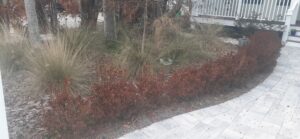
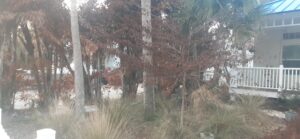
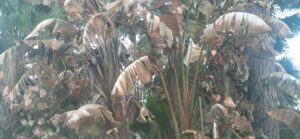
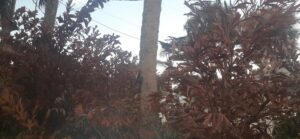
We’ve had some amazingly low temperatures across Florida the last couple of months. A lot of damage has been done to landscapes and nurseries across the state.
I’ve noticed that everyone wants to rush to clean up the burnt plants, but please be patient. IFAS has six guidelines everyone should follow. I will paraphrase and highlight the main points.
1. Allow time before acting
Cold damage looks worse immediately after a freeze. Avoid heavy pruning or excessive watering during the first week after the freeze. You stress the plants even further and encourage new weak growth.
2. Adjust irrigation practices
Keep the soil slightly moist, but not saturated. Dry soils increase root stress, overwatering can limit oxygen availability. Water in the morning.
3. Prune carefully and at the right time
Pruning is the most critical step in recovery. Identify cold-injured wood using the scratch test: gently scrape the bark to reveal the cambium layer. Green tissue indicates living wood, while brown or black tissue indicates damage. Delay pruning until new growth appears to avoid removing living wood. Dead leaves may be removed once they turn brown. Remember, patience is essential for the recovery of your plants.
4. Delay fertilization
Wait until spring growth resumes before fertilizing and use a light, slow-release fertilizer to avoid high nitrogen early in the season. New growth is vulnerable to the cold injury.
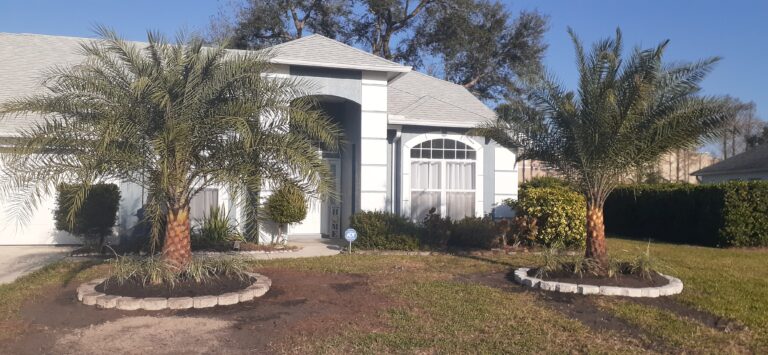
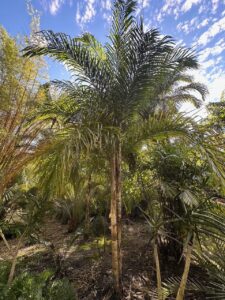
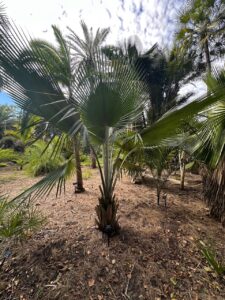
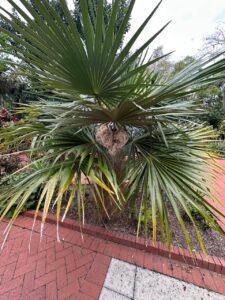
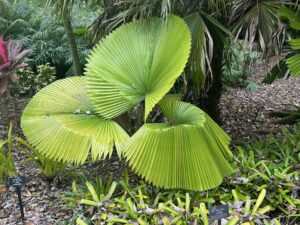
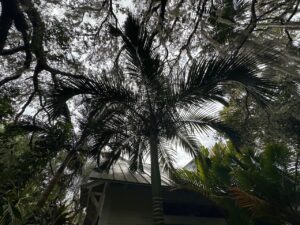
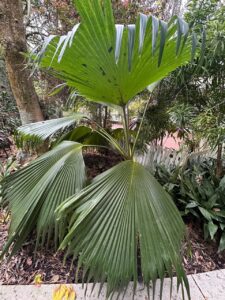
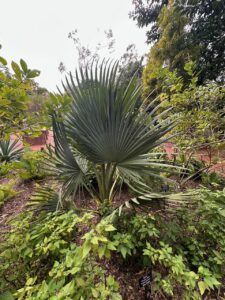
5. Special consideration for palms
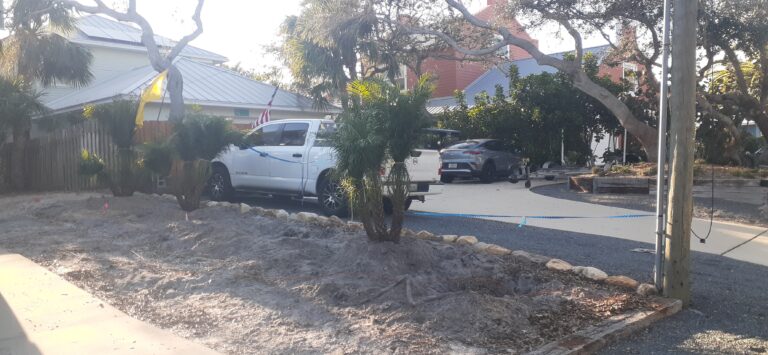
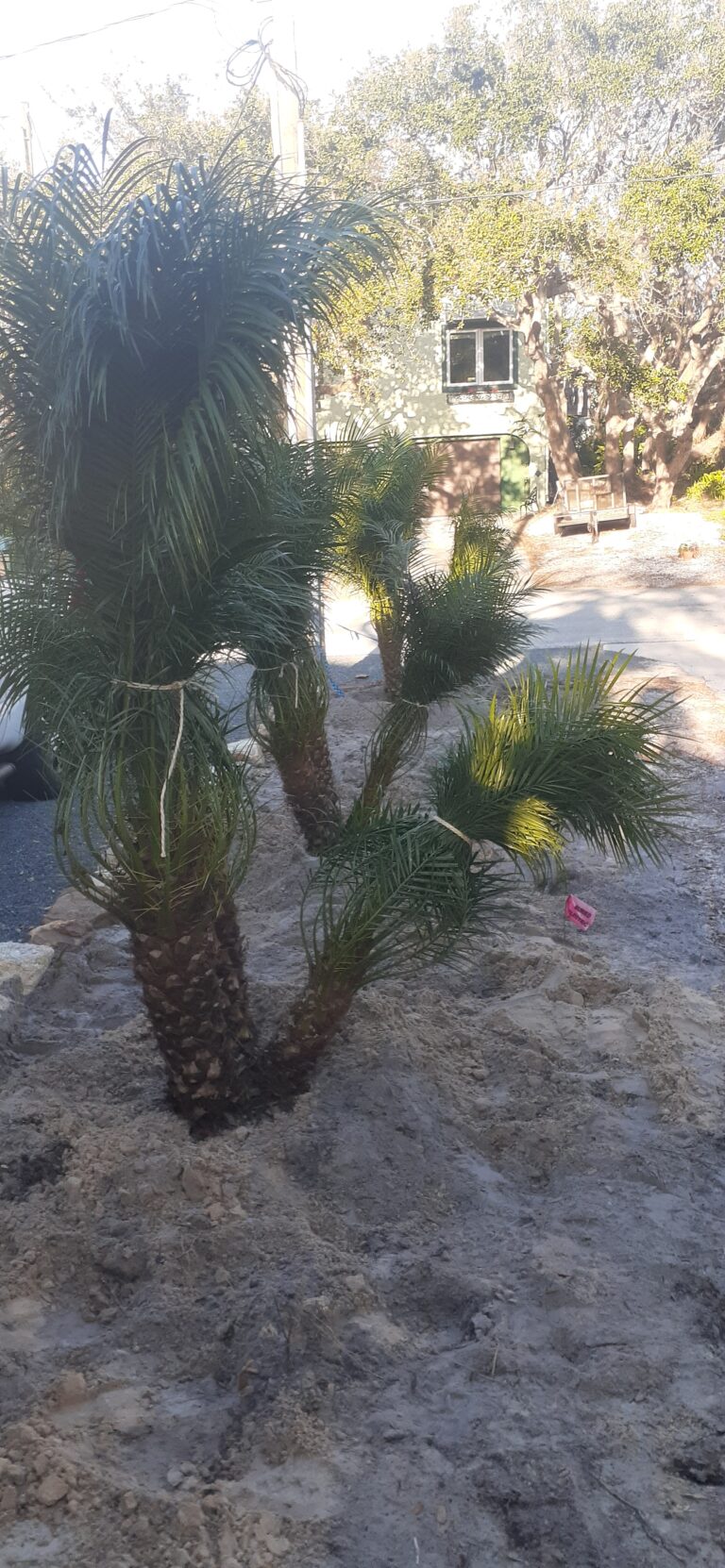
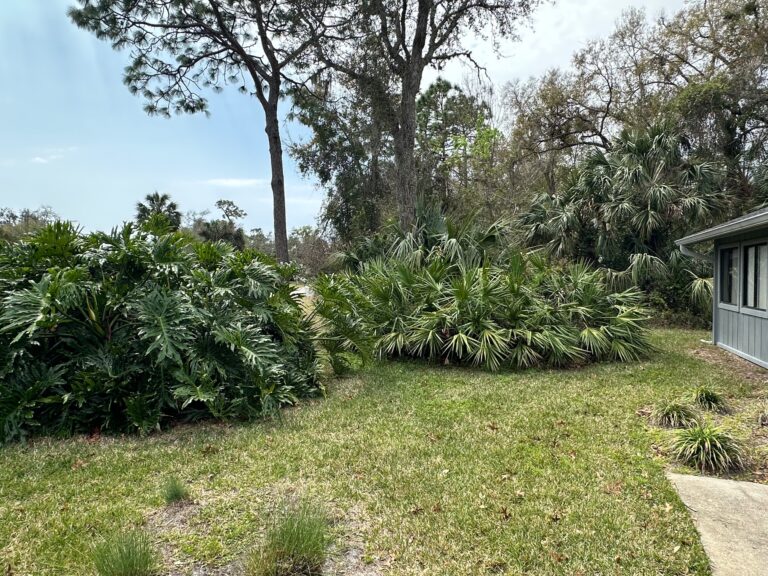
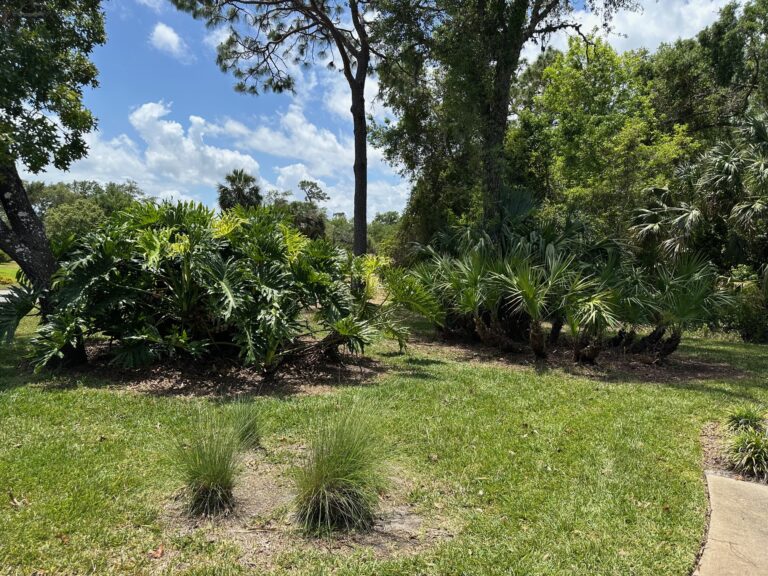
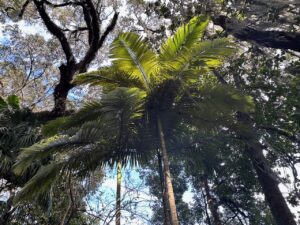
Monitor the spear leaf: a firm spear indicates good health, while an easily pulled spear suggests possible bud rot. Do not remove green fronds–even brown fronds help protect the growing bud. Some palms recover slowly and require extended observation. Slow Release copper hydroxide –Not copper sulfate — can be used if the spear pulls. Always follow the instructions.
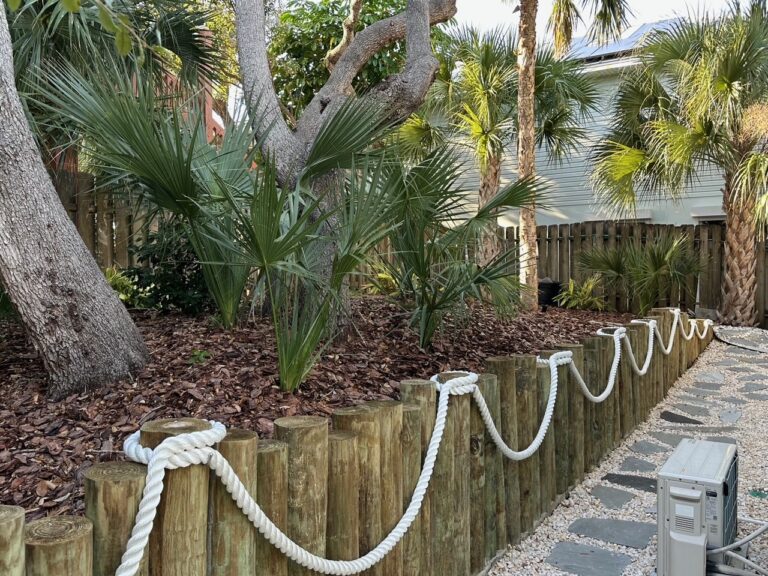
6. Encourage long-term recovery
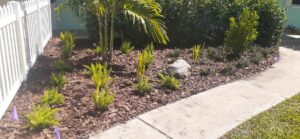
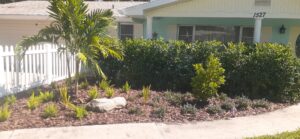
Apply 2-3 inches of mulch to protect roots, reduce wind exposure, and avoid compacting soil around the plant. Recovery can take several months, and many tropical or subtropical plants can regenerate from their roots–even if the above ground growth is lost.
Please see below for our resources:
by Henry Mayer
Posted: February 2, 2026





































 15
15